
 By
By 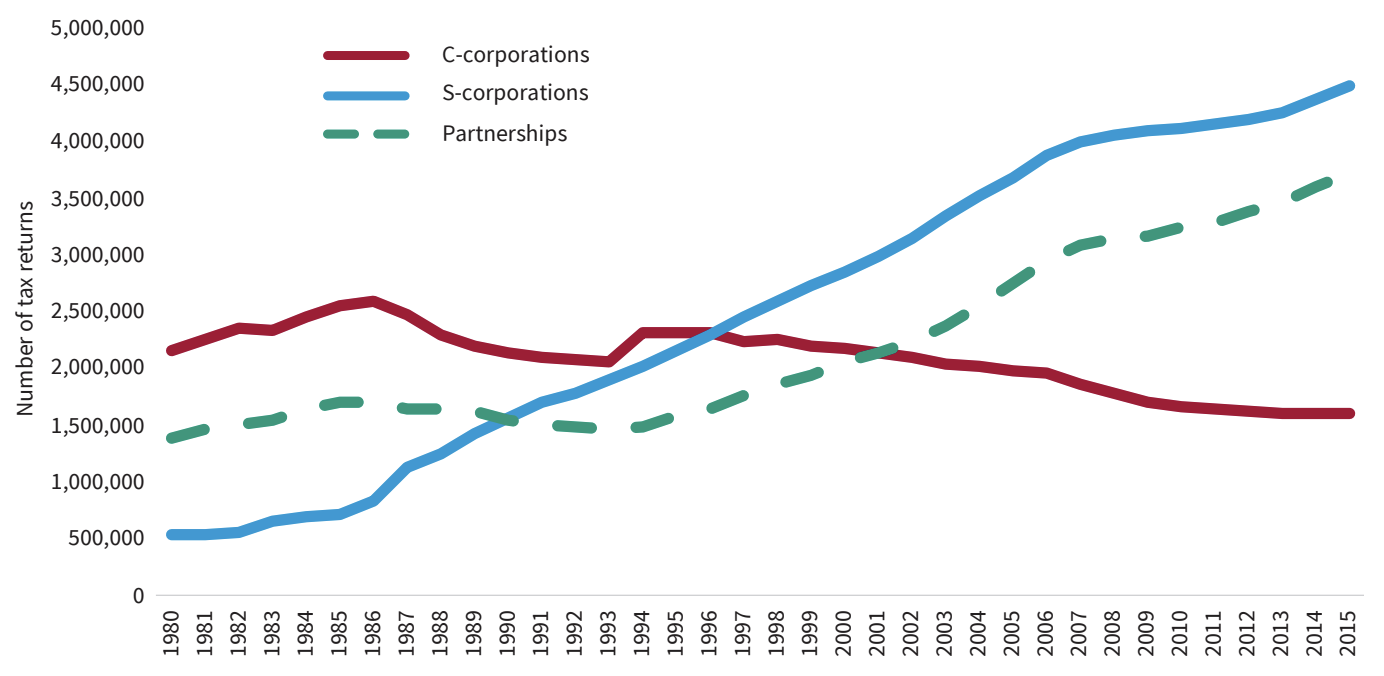
Tax reform affects your finances and business operations. Understanding these changes helps you stay informed and prepared. The latest tax reform brings adjustments that impact individuals and small businesses. Your tax obligations might shift. This affects your take-home pay and savings. For small businesses, these changes influence cash flow, expenses, and profit margins. You’ll need to navigate new rules and identify opportunities that may arise. For business tax preparation in San Bernardino, this means adapting to a new tax landscape. You may need to reassess strategies and processes. Staying updated on these changes is crucial to avoid penalties and maximize deductions. Planning and professional advice can provide clarity and guidance. Whether you are adjusting your budget or managing a small business, understanding the impact of these reforms is key. This blog helps you navigate these changes with ease and confidence.
Changes for Individual Filers
Recent tax reform modifies how you handle deductions and credits. The standard deduction has increased, simplifying the filing process for many. You may find itemizing less beneficial, especially if your deductions are close to the new standard limit. Additionally, some personal exemptions have been eliminated. This might increase taxable income for families who once relied on these exemptions.
Tax brackets have also shifted. Your tax rate could differ, affecting take-home pay. It’s essential to check how you fit into new brackets. Adjust your withholding to match these changes. Rethink budgeting strategies if net income changes significantly. Reviewing the details of these reforms enables more accurate financial planning. For more details, visit the IRS official site.
Adjustments for Small Businesses
The reform affects small businesses in several ways. Corporate tax rates have been reduced. This change aims to ease the financial burden on small businesses, potentially boosting profitability. However, it’s vital to evaluate how these reforms apply to your specific business model. Other changes include limiting some deductions while introducing new ones specific to different industries.
If you’re a small business owner, you might need to alter your strategies. Payroll, employee benefits, and operational expenses could all be influenced by these changes. Consider consulting with a tax professional to ensure compliance and optimize your financial outcomes. The Small Business Administration offers resources to help navigate these reforms.
Comparison of Tax Brackets
Here is a simplified comparison of old and new tax brackets for individuals:
| Income Range | Old Tax Rate | New Tax Rate |
|---|---|---|
| $0 – $9,525 | 10% | 10% |
| $9,526 – $38,700 | 15% | 12% |
| $38,701 – $82,500 | 25% | 22% |
| $82,501 – $157,500 | 28% | 24% |
Strategies for Future Planning
Adapting to tax reform requires forward-thinking. For individuals, reviewing your financial plan annually helps you stay aligned with tax changes. Ensure your investments, savings, and spending remain optimal. Small businesses should regularly review their business plans, focusing on cash flow and expenses. Keeping up with tax code changes is crucial for maintaining financial health.
Engaging with financial advisors or tax professionals can provide valuable insights. They offer advice tailored to your unique situation, allowing you to make informed decisions. Proactive strategy adjustments now can reduce stress and financial strain later.
By understanding these tax reforms, you can better prepare for the fiscal year. You will protect your finances, ensuring stability and growth. Stay informed and ready to tackle any challenges these changes may present.











Comments