
 By
By 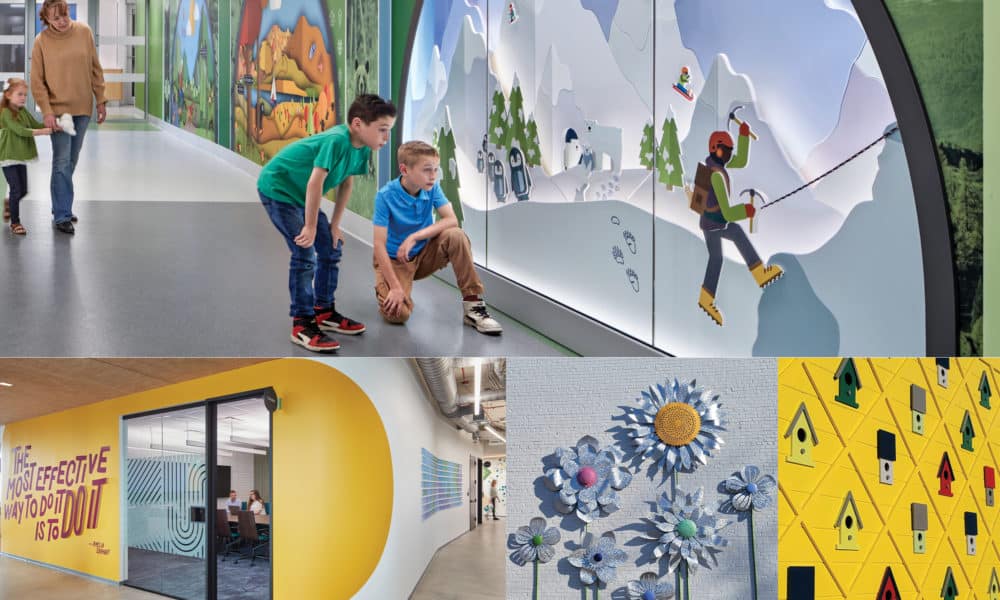
This approach observes shifting habits and transforms cues for clearer navigation. SPM Design la wayfinding designer supports this responsiveness through crafted spatial signals. Each adjustment reflects how people interact with their surroundings and pace shifts. The aim is to support smoother transitions while maintaining intuitive clarity. Thoughtful refinement helps diverse audiences move comfortably and confidently.
2. Responsive Navigation Strategies
A responsive system adjusts cues when behavioural tendencies shift. Its structure blends observation with adaptive refinements. Users experience clearer movement paths as updates occur. This ensures guidance remains relevant in fluid environments.
3. Behaviour-Driven Design Elements
Short-term patterns motivate spatial layout changes. Continuous review strengthens directional accuracy.
- Visual prompts adjust seamlessly to observed motion patterns
- Interventions respond quickly to fluctuating spatial engagement trends
- Movement analytics inspire reorganized pathways supporting visitor comfort
- Color accents highlight renewed orientation points during varied flows
- Modular elements shift positions to reinforce updated circulation cues
- Symbol systems refresh placement as behavioural clusters evolve
- Subtle lighting changes emphasize refined directional anchors daily
- Reconfigured markers align with emerging travel tendencies effortlessly
4. Dynamic Systems Integration
Integrated components maintain clarity during spatial shifts. Adaptive cues coordinate with measured movement to provide consistency. Designers link insights with evolving circulation requirements. This synergy heightens clarity and supports confident progress.
5. How Might Evolving Patterns Strengthen Wayfinding Systems?
Understanding shifting tendencies encourages designers to adjust guidance thoughtfully. Such awareness brings opportunities to refine clarity and support diverse movement rhythms. Attention to subtle changes enhances alignment between users and spatial cues. Refinements based on emerging behaviours create pathways that feel natural and trustworthy.
Adaptive Spatial Communication
Clear messaging forms cohesive movement support through flexible components. SPM Design la wayfinding designer plays a role in shaping steady updates. Systematic adjustments reinforce consistency across varied zones. Balanced refinements sustain intuitive orientation throughout transitions.
Pattern-Based System Comparison
Comparative review highlights strengths of adaptive approaches. Structured analysis uncovers contrasts between static and flexible cues. This reveals how evolving systems improve clarity. Insights help planners refine long-term strategies. Designers continue shaping methods that elevate adaptive clarity. Fresh approaches encourage meaningful interaction across varied surroundings. System updates rooted in observation enhance directional understanding. These refinements bring long-term value to evolving environments.







Comments