
 By
By 
Spend time around different types of buildings, and you’ll notice something interesting. The same level of sound that feels acceptable in a commercial space can feel intrusive in a home.
That difference isn’t accidental. Noise control expectations are naturally higher in residential projects, and it has less to do with technical standards and more to do with how people actually live in these spaces.
In a home, sound isn’t just part of the background. It directly affects rest, focus, and day-to-day comfort. That’s why even measures like noise control barriers, which are often associated with construction or industrial settings, start to feel more relevant in residential projects where people expect a greater sense of quiet and control over their surroundings.
Homes Are Personal, Not Shared Environments
In offices, retail spaces, or restaurants, people expect a certain level of activity. Conversations, movement, and background noise are part of the experience.
At home, expectations shift.
People see their living space as somewhere they can relax, focus, or switch off from the outside world. Because of that, even moderate levels of sound can feel more noticeable.
This doesn’t mean residential spaces need to be completely silent. It means sound needs to feel controlled and predictable rather than constantly present.
Time Spent in the Space Is Much Longer
Another reason expectations are higher is simply the amount of time people spend at home.
In a commercial setting, exposure to sound is usually limited to working hours or short visits. At home, it’s continuous. Morning routines, evening downtime, and everything in between all happen in the same space.
Over time, even small acoustic issues can become more apparent. Sounds that seem minor at first can start to feel repetitive or distracting when experienced daily.
This long-term exposure raises the importance of proper noise control.
Activities at Home Require Different Acoustic Conditions
Residential spaces support a wide range of activities.
People work from home, watch television, have conversations, cook, rest, and sleep all within the same environment. Each of these activities has different acoustic needs.
A living room might need to support clear audio and conversation. A bedroom needs a more settled atmosphere. A home office requires focus and minimal distraction.
Because these activities overlap, managing sound becomes more complex. Noise control needs to support multiple uses rather than just one.
Shared Walls and Close Proximity
In many residential developments, especially apartments and condominiums, units are located close to one another.
Walls, floors, and ceilings are often shared between neighbours. This means sound can travel between units more easily than people expect.
Even everyday activities like moving furniture, watching television, or talking can be heard across these boundaries if the building isn’t designed with proper acoustic control.
This proximity increases sensitivity to noise and raises expectations for how well sound is managed.
Night-Time Expectations Are Different
Noise tolerance changes depending on the time of day.
During working hours, people are generally more accepting of background activity. At night, expectations shift significantly. Sounds that might go unnoticed during the day can feel much more disruptive in the evening or early morning.
Residential projects need to account for this difference. Noise control isn’t just about managing sound levels. It’s about ensuring that the space supports rest and recovery when it matters most.
Perception Of Control Plays a Role
There’s also a psychological factor involved.
In commercial spaces, people expect less control over their environment. In residential spaces, they expect more.
When noise comes from within the home, it can often be managed. But when it comes from neighbours or external sources, it can feel harder to control. This lack of control makes the sound feel more noticeable, even if the volume isn’t particularly high.
Good acoustic design helps reduce this feeling by creating a more stable and predictable environment.
Design Trends Can Increase Acoustic Challenges
Modern residential design often favours open layouts, minimal partitions, and hard finishes like tiles, glass, and concrete.
While these elements create a clean and contemporary look, they also reflect sound more easily.
Without proper acoustic treatment, this can lead to sound travelling further within the home and building up more than expected.
As a result, expectations for noise control increase, especially when the visual design suggests a high level of comfort.
Buyers and Residents Are More Aware
Awareness of acoustic comfort has grown over time.
Homeowners and tenants are more informed about how sound affects their living environment. They’re more likely to notice issues and expect solutions that go beyond basic construction standards.
This shift in awareness raises the bar for developers and designers. It’s no longer enough to meet minimum requirements. Spaces need to feel comfortable in real-world use.
What This Means For Design And Planning
Higher expectations don’t necessarily mean more complicated solutions, but they do require more thoughtful planning.
Effective residential noise control often includes:
- Better material selection to reduce sound transmission
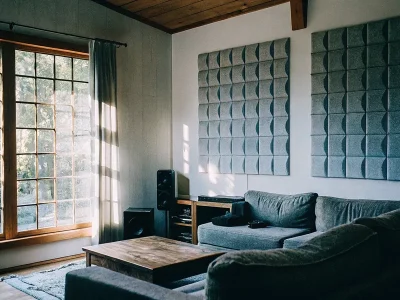
- Strategic use of acoustic panels or soft finishes
- Consideration of the layout to separate noisy and quiet zones
- Attention to ceilings and shared surfaces
These elements work together to create a more balanced environment.
It’s Not About Eliminating Sound Completely
One important point is that good residential acoustics isn’t about removing sound entirely.
Homes still need to feel natural and lived-in. The goal is to manage sound so it doesn’t feel overwhelming or disruptive.
When done well, the space supports daily life without drawing attention to its acoustics.
Final Thoughts
Noise control expectations are higher in residential projects because homes are deeply personal spaces. People spend more time in them, rely on them for rest and focus, and expect a level of comfort that goes beyond what’s acceptable in commercial environments. Add in shared structures, modern design trends, and increased awareness, and it’s easy to see why acoustic performance matters so much.






Comments