
 By
By 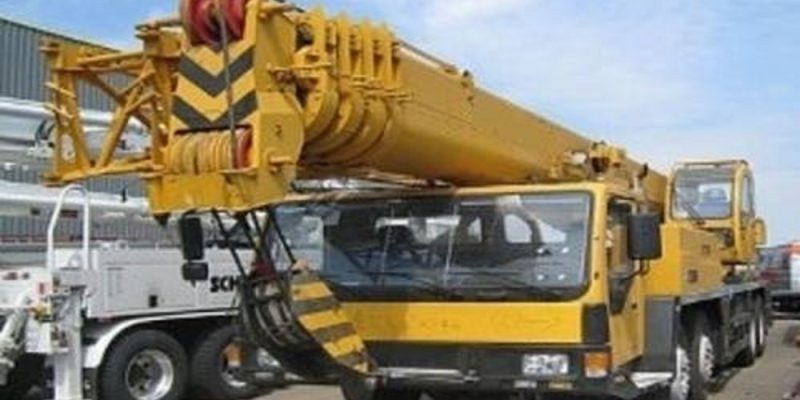
Heavy lifting is one of those things people do not think about until they really need it. A machine needs moving. Materials need to be placed high up. A tight site leaves no room for mistakes. That is usually when planning starts, not casually but carefully. In those conversations, crane service comes up as a practical requirement, not a fancy extra. It becomes about safety, timing, and getting things done without creating new problems.
Situations that require professional lifting support
- Moving heavy machinery that cannot be dismantled easily
- Placing construction materials at height
- Handling oversized loads in restricted spaces
- Supporting industrial installation or maintenance work
- Lifting equipment during shutdowns or upgrades
- Managing loads that require precise positioning
In these situations, manual handling or shortcuts are simply not an option.
Types of lifting equipment used for different needs
- Mobile cranes for flexible site movement
- Truck mounted cranes for faster setup
- All terrain cranes for uneven ground
- Rough terrain cranes for off road conditions
- Heavy duty cranes for large scale industrial work
- Specialized attachments for unique lifting challenges
Choosing the right equipment matters as much as the lift itself.
Project timelines and coordination benefits
- Faster execution compared to manual methods
- Reduced downtime for other site activities
- Better coordination between teams
- Clear scheduling that avoids delays
- Predictable lifting windows for planning
- Fewer unexpected interruptions
Reliable lifting keeps projects moving instead of stalling.
Choosing dependable service providers
- Experience with similar project types
- Clear communication during planning stages
- Transparent discussion of capabilities
- Proper licensing and certifications
- Well maintained equipment fleet
- Willingness to adapt to site conditions
Trust often comes from how problems are handled, not how sales pitches sound.
On site coordination and communication
- Pre lift briefings with all involved teams
- Clear hand signals or radio communication
- Defined roles during lifting operations
- Immediate reporting of concerns
- Adjustments made without rushing
- Continuous awareness of surroundings
Good communication prevents small issues from becoming serious ones.
Why preparation matters more than speed
- Rushing increases risk
- Small miscalculations can cause delays
- Proper setup saves time later
- Calm execution leads to smoother results
- Safety focused pacing protects people and equipment
- Well planned lifts often finish faster overall
Speed comes naturally when preparation is done properly.
Before any lift begins, questions matter. Weight. Space. Timing. Risk. When discussed openly, planning becomes stronger. That is why crane service is often viewed as a partnership rather than just equipment rental. The best results come when everyone involved understands the job before the crane ever moves.
Heavy lifting will always carry responsibility. When handled with planning, experience, and clear communication, it becomes controlled rather than stressful. Projects move forward. Teams stay safe. And the lift becomes just another successful step instead of a moment everyone worries about.









Comments